
AAAS lecture series
Welcome to the Our Common Home: Science, Nature, and Creation Lecture series hosted by Holy Apostles College & Seminary. This is a three-part online lecture series at the intersection of science, philosophy, and theology.
Together we’ll explore how Catholic higher education unites faith and reason to form contemplative, responsible stewards of God’s creation.
Why Attend?
- Integrate theology, natural science, and philosophy in the Catholic tradition
- Deepen apologetics around care for creation and integral ecology
- Gain practical ideas for teaching, ministry, and personal witness
Lecture 1
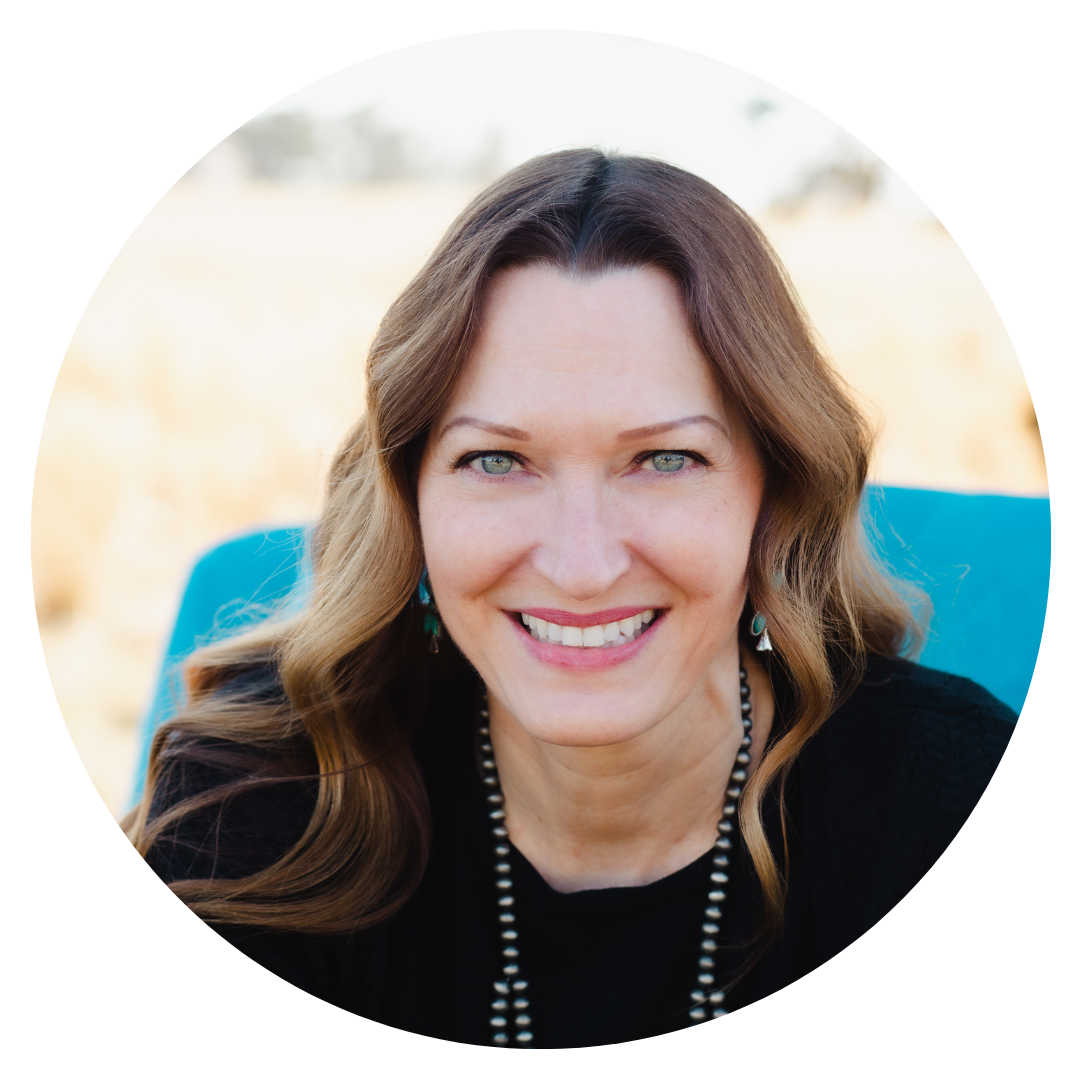
Stacy Trasancos, PhD
Lecture 2
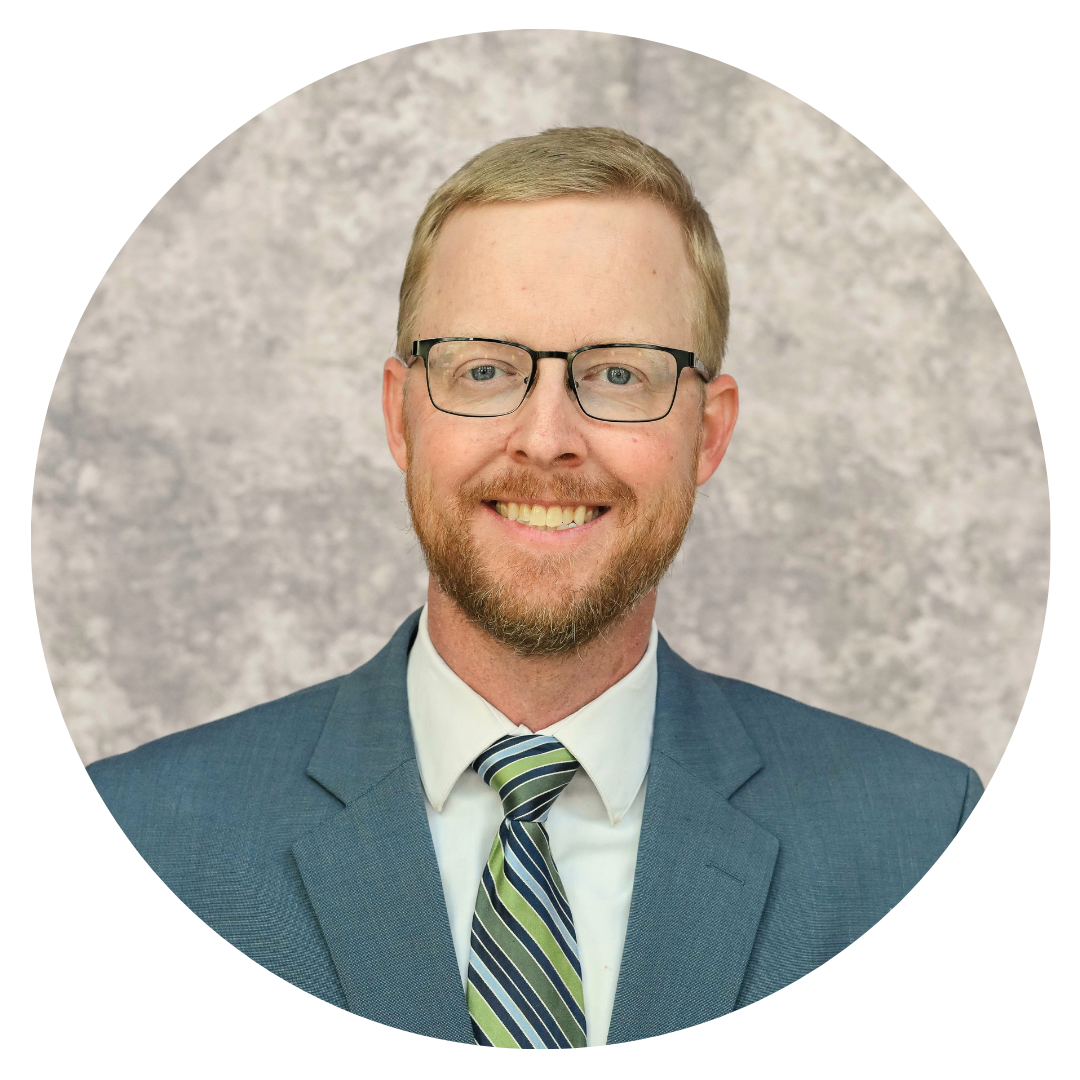
Matthew Ramage, PhD
Lecture 3
Timothy Smith, PhD
AAAS Lecture Videos
Lecture #1
Drawing on new courses at Holy Apostles, Our Physical World and Climate Science and Catholic Thought, Dr. Trasancos will show how Catholic science education can translate the Church’s magisterial teaching on care for creation into a transformative experience of the whole person. She will illustrate how theology, philosophy, and the natural sciences can be woven together in an interdisciplinary way that advances knowledge for its own sake while helping students cultivate the virtue of stewardship and refine their practice of apologetics.
Lecture #2
November 21 – Dr. Matthew Ramage
Educating for Cosmic Communion: Uniting Faith, Science, and Stewardship in Catholic Higher Education
Dr. Ramage will explore how Catholic theological education can translate the Church’s magisterial teaching on care for creation into a unique and transformative experience of the whole person. He will illustrate how theology and the natural sciences can be woven together in an interdisciplinary way that advances knowledge for its own sake while helping students cultivate the virtue of stewardship and refine their practice of apologetics.
Lecture #3
Stewardship and Culture: A Catholic Philosophical Vision for Our Common Home
Dr. Smith will explore the philosophical foundations of environmental stewardship within the Catholic intellectual tradition, arguing that care for our common home arises from a unified vision of creation, culture, and the human person. Beginning with the harmony of faith and science in Catholic thought, he will situate ecological responsibility within larger questions of moral freedom and the common good. Drawing on Augustine, Aquinas, Pope Francis, and contemporary thinkers, Dr. Smith will contrast competing models of Christian engagement with culture and show how integral ecology is not a political option but a moral imperative rooted in the very structure of human flourishing.
Explore the Possibilities
Looking for information on programs, admissions, or financial aid? We're here to help.
Speak to your personal Admissions Counselor today for more information.
Admissions Phone :
860-632-3000
Admissions Email:
[email protected]
Contact Information